How to Lower Restaurant Labor Costs Without Cutting the Guest Experience
TL;DR: Multi-unit operators can lower restaurant labor costs by reducing the non-serving tasks that eat into each shift, rather than by cutting staff or trimming hours. When servers spend less time processing checks and payments, the same team can cover more tables and deliver better service. Tableside ordering, pay-at-the-table, and automated promotions are three proven ways to get more out of existing labor while protecting the guest experience.
Think about the best server you have ever had.
They never hovered, but your drink was never empty. They knew the menu cold. They made you feel like the only table in the room, even on a packed Friday night.
Now picture that same server spending a third of their shift walking checks back and forth to a POS station. (Still with us? Good.)
That tension is something every multi-unit operator is living with right now. Restaurant labor costs keep climbing, schedules keep getting harder to fill, and the instinct is to trim hours or run leaner shifts. Cut too deep, though, and the thing that brings guests back starts to slip away with it.
Why are restaurant labor costs rising?
Labor costs are climbing because of a combination of higher wages, persistent staffing shortages, and rising turnover. For multi-unit operators, these pressures multiply across every location, so a small inefficiency at one restaurant becomes a significant cost across the group. The operators who manage this best focus on labor productivity, meaning how much value each scheduled hour produces, instead of simply reducing the number of hours on the schedule.
How can I reduce labor costs without losing service quality?
The most reliable way to reduce labor costs without hurting service is to remove low-value tasks from your team's plate so they can spend their time on the guest. Three changes make the biggest difference for table-service restaurants.
1. Take the busywork off the floor
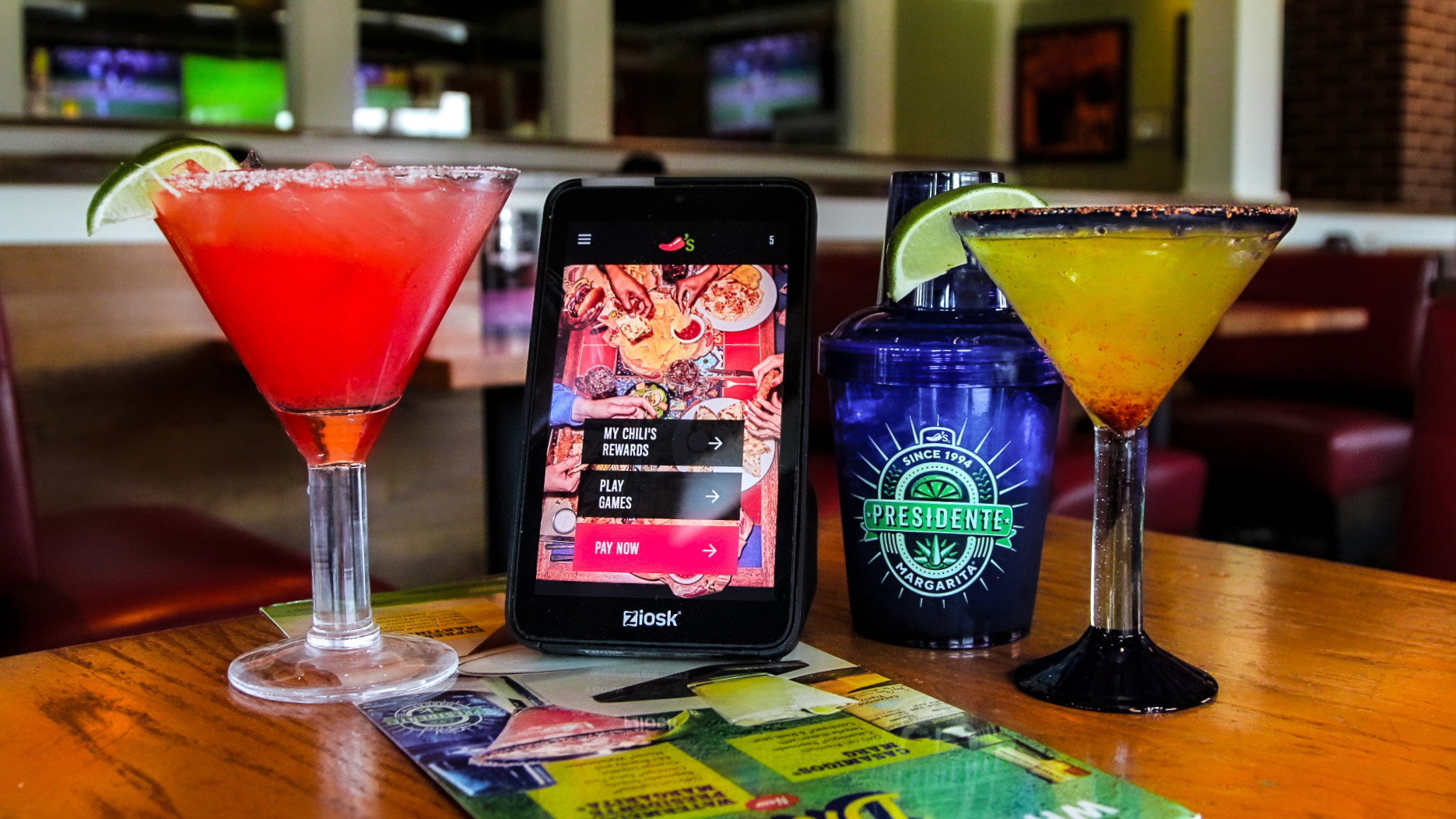
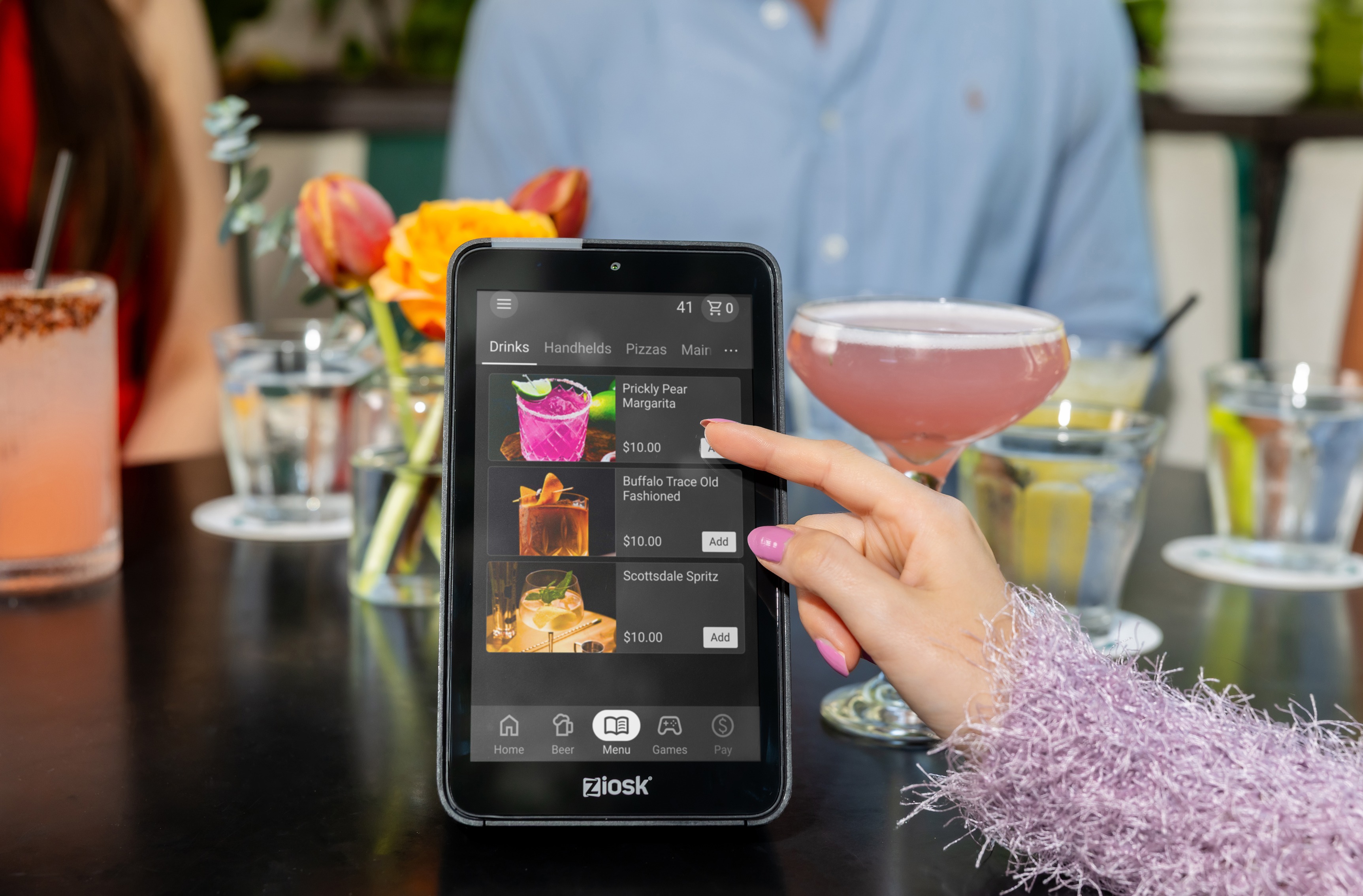
A large share of a server's shift is spent processing rather than serving. Running checks, returning cards, and re-entering orders all add up. When guests can order another round or pay at the table on their own, your team wins those minutes back to greet, recommend, and take care of people. The headcount stays the same and the hospitality goes up.
2. Let the table do the upselling
Your staff cannot describe the dessert menu to every table on a busy night, and they should not have to. Tableside technology keeps your best-performing promotions in front of every guest automatically, so a limited-time cocktail or featured appetizer can sell itself. Every table effectively gains a tireless salesperson, and your schedule never grows to make it happen.
3. Make every location run like your best one
The hardest part of growing a restaurant group is making location number 15 feel like location number one. When ordering, payment, and promotions stay consistent across every unit, the guest experience no longer depends on which server a table happens to get. That consistency is what protects your margins as you scale.
What is the fastest way to free up server time?
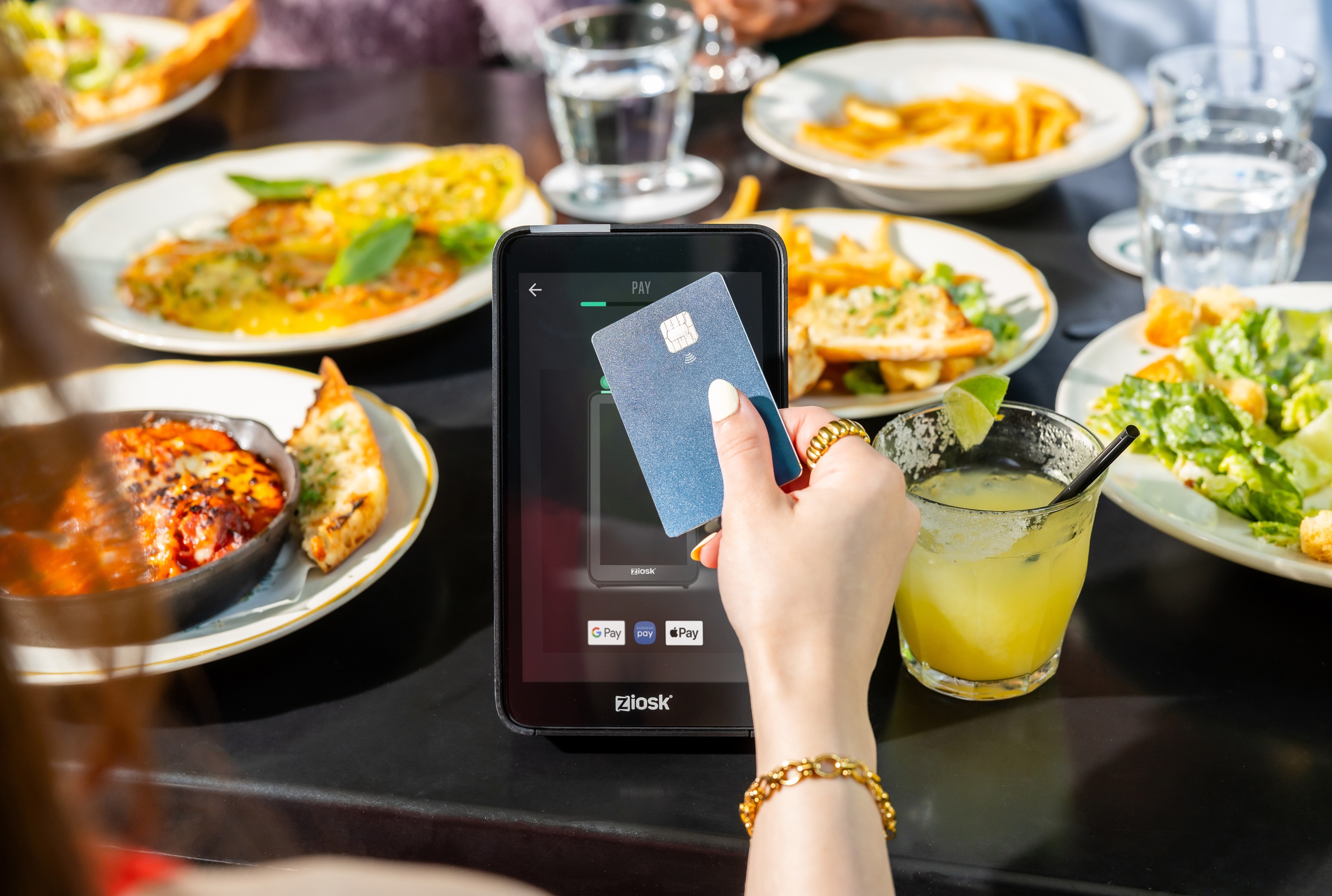
The fastest lever is moving payment to the table. Pay-at-the-table and Drop & Pay technology let guests check out whenever they are ready, which removes one of the most time-consuming steps in the service cycle and shortens table turn times. Faster turns on a busy night mean more covers served by the same number of servers.
The bottom line
Lowering restaurant labor costs was never about having fewer people on the floor. The goal is to point the people you have at the work that grows your business and to let technology quietly handle the rest.
Just like that great server, the best systems are the ones your guests never notice. They just leave happy, and they come back.
Curious how much time your team could win back? Let's talk.
Share this post
Discover More Insights from the Industry